
Dictating Employment and HR Letters
Choose the letter type, fix names and dates, and dictate a neutral, reviewable draft.
 Voiskey Team
Choose the Letter Type and Requirements
Dictating Employment and HR Letters begins by naming the letter and its required elements. An offer letter, a warning, a performance improvement plan, a leave response, and a termination letter each carry different content, different risks, and different review needs. Write the letter type at the top of the file, then list the elements the firm or the employer requires for that type. Note the policy or contract provision that authorizes the letter. Identify who must approve it before it is sent. A letter that is well written but missing a required element can create a dispute, so the checklist comes before the prose. The type and the requirements together determine what you dictate and in what order.
Confirm the facts the letter depends on. Write a short chronology of the relevant events with dates and sources. For a performance letter, list the expectations, the prior feedback, and the dates it was given. For a termination letter, list the reason, the effective date, and the final pay and benefit details the employer has confirmed. For a leave response, list the request, the supporting documents, and the decision. Mark any fact that is disputed or unverified. Do not draft a conclusion until the facts behind it are confirmed. A factual chronology written before dictation keeps the letter accurate and gives the reviewer a way to check the account quickly.
Identify the audience beyond the employee. An HR letter may be read by a manager, a tribunal, an arbitrator, or a regulator, and it may be compared with earlier letters in the same file. Write one sentence naming the primary reader and one naming the file that will hold the letter. Check whether the letter must follow a template, use specific headings, or include a response deadline and a contact for questions. If the letter refers to a policy, note its title and version. These details shape the letter's structure and tone, and they are easier to settle before dictation than after a draft has been spoken and reviewed.
Prepare the working file and the review chain. Open the approved template, confirm the letterhead, the date field, and the signature block, and place the cursor at the first drafting point. Keep the chronology, the policy reference, and the employee's correct details beside the document. Decide who reviews the facts, who reviews the policy basis, and who approves the tone. Note the deadline for sending and any notice period the letter must respect. If the letter will be delivered in person, note the process for that meeting. A prepared file and a named review chain prevent the most common HR letter failures: wrong dates, wrong policy references, and inconsistent accounts between letters.
Fix Names, Dates, and Policy References
Build a details block before you dictate a word of the letter. Record the employee's full name, job title, department, manager, start date, and the address the letter will use. Record the effective date of the action and every date the letter will reference. Record the exact title and version of each policy or contract provision relied on. Check the spelling of names and the accuracy of titles against the personnel record. Read the block aloud once to catch names that sound alike. This block is short, but it protects the parts of the letter that are most often wrong and most consequential when they are.
Check the dates against the chronology and the calendar. Confirm that the date of the letter, the date of the events described, and the effective date of the action are consistent. If the letter sets a response deadline, calculate it and confirm whether weekends or holidays affect it. If a notice period applies, confirm that the letter respects it. Note the date on which prior feedback was given if the letter refers to it. A mistaken date can undermine the fairness of the process and give the employee a basis to challenge the action. Dates deserve a separate check, not a glance during a general read.
Quote policies precisely and sparingly. Use the policy's own language for the rule the letter applies, and cite its title and section. Do not paraphrase a policy in a way that changes its meaning or its scope. If the letter applies a discretion rather than a fixed rule, say so. Check that the policy version in force at the relevant time is the one cited. If the letter refers to a contract clause, confirm the clause number. Policy references are where a well-meaning letter most often overstates the employer's position, and a precise reference is far easier to defend than a general assertion.
Confirm the details that the employee will act on. If the letter requires the employee to attend a meeting, state the date, time, place, and purpose. If it requires a response, state the deadline and the person to contact. If it describes pay, benefits, or final entitlements, confirm those figures with the payroll or benefits owner before dictation. If it refers to equipment or access, state what must be returned and when. These practical details are the parts the employee will read most closely, and an error in them creates immediate friction even when the rest of the letter is sound.
Dictate in a Neutral, Consistent Tone
Dictate the letter in a neutral, factual tone. State what happened, what the employer expects, and what happens next, without adjectives that characterize the employee's motives. Use the same terms the policy uses and the same terms earlier letters in the file used. Keep sentences short enough that the reader can follow the action without rereading. If the letter must convey criticism, state the specific conduct and its effect rather than a general judgment. Neutral language is not weakness; it is what makes the letter credible if it is reviewed later by someone outside the workplace. Say it once, clearly, and move on.
Follow a consistent structure across letters of the same type. Start with the purpose, then the facts, then the policy basis, then the required action or decision, then the next steps and the contact. Use the same headings the template uses. Announce each section with a cue so the dictated text keeps the structure. If the letter is a warning, state the improvement required and the review date. If it is a termination, state the decision and the effective date plainly. Consistency across letters helps the reader understand each one and helps the reviewer compare them without hunting for the same information.
Dictate with the reader's likely reaction in mind. An employee reading an HR letter may be anxious, angry, or confused, so clarity matters more than elegance. Put the decision or request near the top rather than burying it after a long background. Define any term that the employee may not know. Tell the reader what to do next and whom to ask. Avoid language that sounds like a legal threat unless the letter genuinely requires it, and avoid promises the employer cannot keep. A clear, calm letter reduces the chance of an escalation that costs more time than the letter itself.
Keep the letter consistent with the file. Before dictating, read the most recent letter to the same employee and note any commitments, dates, or characterizations that must remain consistent. If the new letter changes a prior position, say so and explain why. If it refers to a meeting, confirm what was said and whether a note exists. Inconsistency between letters is one of the strongest arguments an employee can make, and it is entirely avoidable. Dictating with the earlier letters open is a simple habit that preserves the employer's credibility and makes the reviewer's job much easier. The reviewer will notice the difference immediately.
Edit for Accuracy and Fair Wording
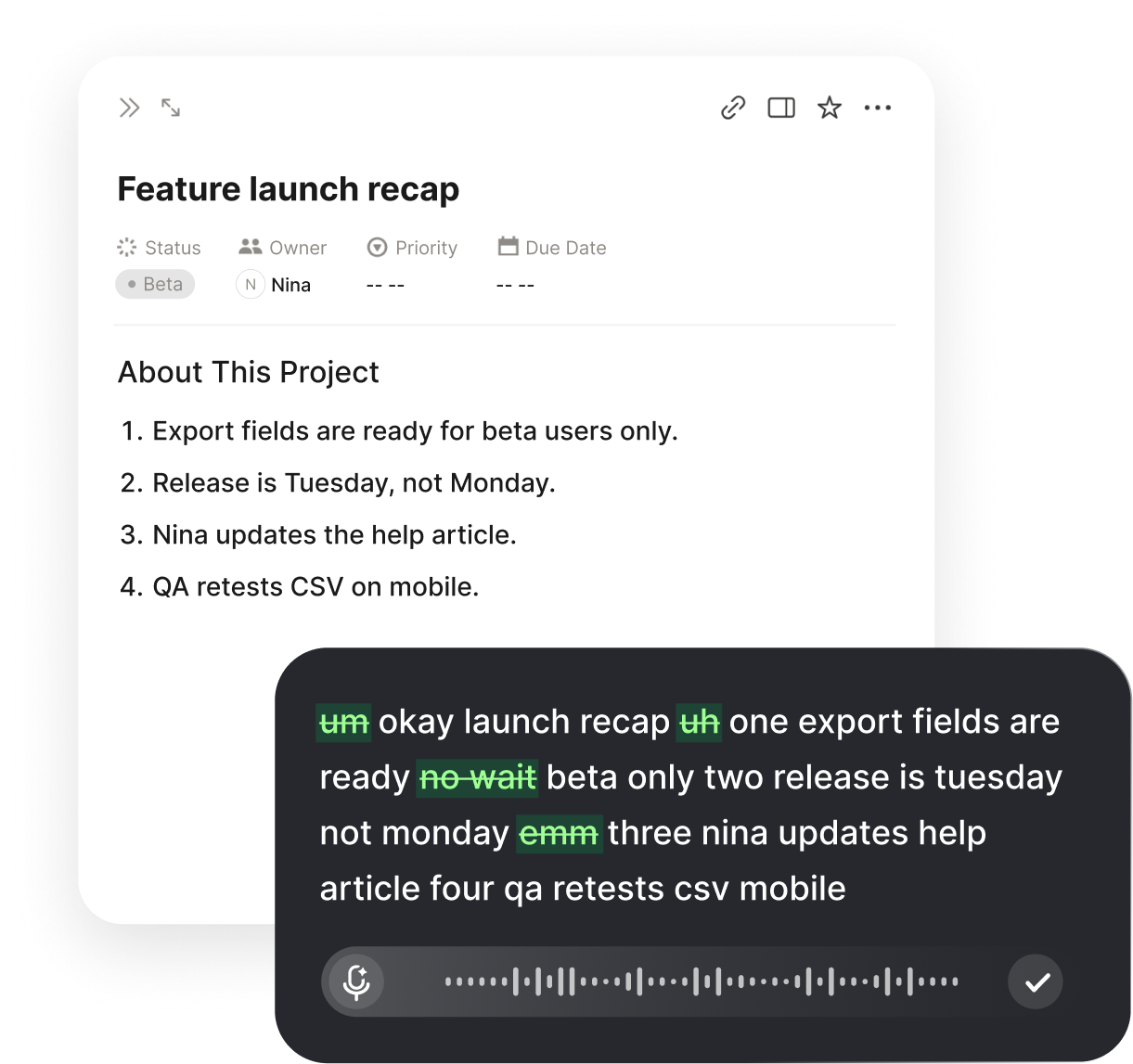
Edit the draft before it leaves the drafting stage. Read it once for accuracy, checking names, dates, policy references, and the figures the employee will act on. Read it again for fairness, asking whether the letter states the facts it relies on and gives the employee a clear chance to respond where the process requires one. This is where Voiskey's cleanup helps: it removes filler words, stutters, false starts, self-corrections, and grammar slips as you speak, and adapts punctuation, formatting, and tone to the letter, so the draft arrives with fewer spoken artifacts. Download Voiskey for the device you use for HR drafting and run one complete letter through the routine before adopting it widely.
Check the legal and policy basis. Confirm that the letter cites the correct policy, contract clause, or process step. If the letter applies a rule, confirm that the rule was in force and that the facts meet it. If the letter exercises a discretion, confirm that the decision-maker had the authority. If the process required a meeting, a warning, or a chance to respond, confirm that it happened and that the letter reflects it. Give the policy reference and the chronology to a second reviewer who can check the basis independently. Accuracy of the basis is what allows the employer to defend the letter later.
Edit for fairness and proportion. A fair letter states the relevant facts, avoids exaggeration, and matches the response to the conduct. Remove language that humiliates or speculates about motive. Check that any sanction is consistent with the policy and with how similar cases were handled. If the letter includes a warning about future consequences, state them accurately. If the letter offers support, a review, or a right to respond, make the offer clear and actionable. Fair wording does not weaken the employer's position; it strengthens it, because a reasonable process is easier to explain and easier to defend. Keep the wording close to the policy and the record.
Complete the mechanical checks. Confirm the letterhead, the date, the addressee, the subject line, and the signature block. Check the spelling of names and titles, the numbering of any list, and the contact details for questions. Confirm that enclosures are attached and referenced. A missing enclosure is a common and avoidable delay. If the letter must be delivered in a meeting, prepare a short note for the person delivering it. Save a clean copy with a version label. Read the final letter once from the employee's point of view: is the decision clear, is the reason stated, and is the next step obvious? If not, revise before approval.
Approve, Send, and File the Letter
Route the letter for approval with a short note identifying the letter type, the key dates, the policy basis, and any open questions. Give the approver the chronology and the earlier letters so the decision is made with the full file in view. Ask for approval of the substance and the tone, not just a spelling check. Record who approved and when. If the approver changes a sentence, read the change and confirm that it does not alter the factual account. A clear approval record protects both the employee and the employer, because it shows that the letter was reviewed by someone with the authority to issue it.
Send the letter through the process the policy requires. If delivery must be in person, confirm the date, the attendees, and the note-taker, and prepare a short script for the meeting. If delivery is by another method, confirm the address and the proof of delivery. Explain the next steps to the employee and give them the contact for questions. Voiskey fits the preparation: it is an AI voice typing app for macOS and Windows, and you press a shortcut, speak, and text appears at the insertion point in the letter you are drafting. It learns names, jargon, acronyms, and spelling preferences, adapts punctuation, formatting, and tone, and supports the Speak-Polish-Type-Edit workflow at up to 220+ words per minute. Download Voiskey when you are ready to standardize the routine across the HR team.
File the letter with the record it relies on. Save the approved letter, the chronology, the policy references, the approval record, and the delivery confirmation together. Note the dates of any meeting and the name of the person who delivered the letter. If the letter sets a review date or a response deadline, calendar it with an owner. If the employee responds, add the response and the next action to the file. A complete file makes the next letter easier to draft and makes the employer's account consistent if the matter is reviewed later by an internal or external decision-maker.
Review the routine after each letter. Note which sections needed the most correction, which details were missing from the template, and where approval slowed down. Update the template, the details block, and the policy reference list. If a manager asked for a change in tone, record the preference so the next letter starts closer to what the reviewer expects. Keep a short lessons note with the file. Over time, a small set of tested templates and a consistent review chain reduce both drafting time and the risk of an avoidable error, and the HR team spends less time repairing letters and more time on the decisions behind them.
FAQ s
Voiskey removes filler words, stutters, false starts, self-corrections, and grammar slips as you speak, so the warning letter that appears at the insertion point is closer to the clear, factual register you intend. It adapts punctuation, formatting, and tone to the letter. Neutrality still depends on the facts you state and the policy you cite, so the drafter reviews both before approval.
Yes. Voiskey learns names, jargon, acronyms, and spelling preferences, which helps when a letter repeats an employee's name, a department title, or a policy label. Build a details block and use it consistently while dictating. Learned terms reduce spelling errors, but the drafter still checks every name, date, and policy reference against the personnel record before the letter is approved.
Press a shortcut, speak the letter into the template, and text appears at the insertion point. Voiskey cleans the spoken text and adapts punctuation, formatting, and tone to the letter. Polish is the review pass where you check names, dates, the policy basis, and fairness. At up to 220+ words per minute, the routine produces a complete draft that is ready for the approval chain rather than for more typing.
Yes. The team plan offers shared vocabulary and workflows, which helps an HR team keep policy labels, department names, and letter formats consistent across drafters. Each letter still goes through the facts, policy, and fairness review, and the approver still signs off. Shared vocabulary reduces drift between letters, but it does not replace the chronology or the approval record.


 Voiskey
Your voice, amplified.
Download Voiskey for Mac and Windows and dictate employment and HR letters that are ready for approval.
Use it across macOS, Windows, iOS, and Android